
Essential details
MOQ:1m
Shipping:Land transport, air transport, sea transport
Product Introduction
Purpose:It is mainly used for fixed installationin indoor spaces, cable trenches, pipelines and other occasions requiring shielding (the model will be upgraded to KVVP and other shielded types if shielding is needed). It transmits low-voltage and small-current signals such as control, measurement and signal commands for equipment, with a typical rated voltage of 450/750V.
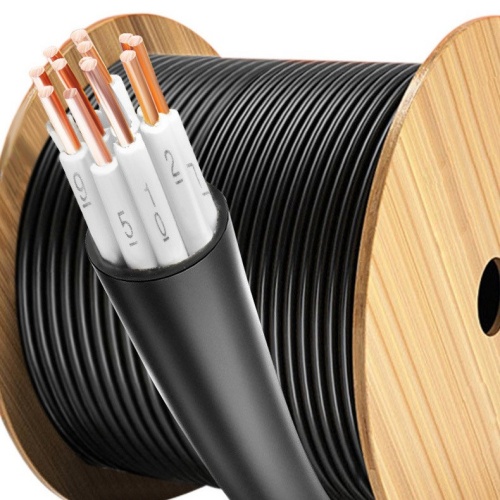
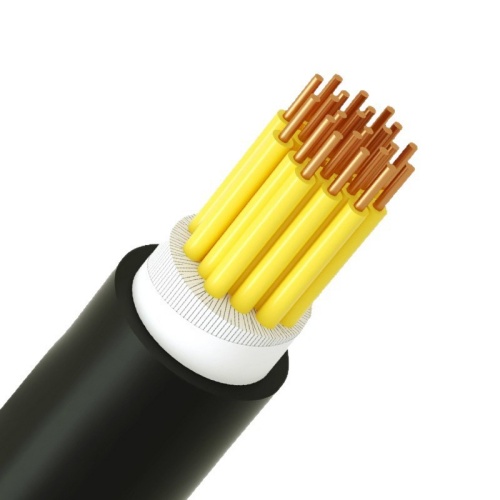
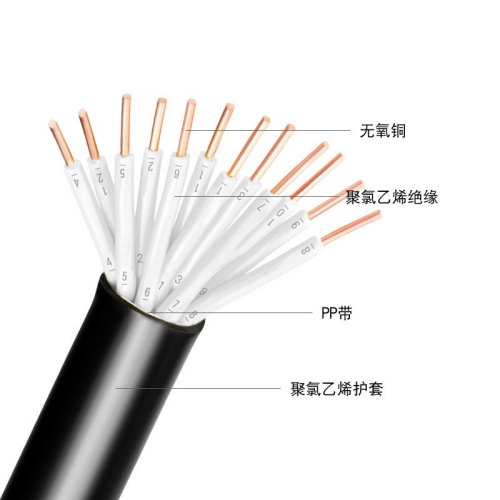
Structure:It is formed by stranding multiple independent insulated cores (such as 4-core, 7-core, 10-core, 14-core, 19-core, etc.), with an outer PVC sheath. The conductor is usually copper, and both the insulation and sheath are made of polyvinyl chloride (PVC).
Characteristics:It features excellent high temperature resistance, low temperature resistance and aging resistance. It is suitable for relatively dry environments without severe mechanical impact, such as indoor areas, tunnels, cable trenches and pipelines. Standard KVV cables have no shielding layer. For application environments requiring anti-electromagnetic interference performance, shielded models shall be selected, such as KVVP (copper wire braided shielding) and KVVP2 (copper tape wrapped shielding).
Application Scenarios:Control system connection for industrial automation equipment (PLCs, inverters, sensors, etc.); connection of building automation systems (such as fire alarm and access control systems); internal control circuits of machine tool equipment, etc.
Differences from Other Cables:Compared with KVVR cables, KVV cables have stiffer conductors and are not easy to bend, making them suitable for fixed installation; KVVR cables adopt flexible conductors and are applicable to occasions requiring flexibility and movability.Compared with RVV cables, KVV cables are mostly used for main signal and power transmission, while RVV cables are applied to household electrical appliances and control circuits.


